
By: Jean McCoy
EVP Reverba Partnerships
When it comes to listening to patients, clinical and consumer marketing tends to remain in separate silos. But incorporating the patient voice can make a positive impact at every point from pre-clinical development through commercialization and post-marketing. Doing so can help companies align their goals and programs with patients’ priorities and preferences.
As part of our mission to amplify experiences to create lasting, positive change in healthcare, we surveyed both patients and pharma industry professionals about how they’re connecting. We uncovered several opportunities to collaborate better with patients across the entire product lifecycle.
The Sooner The Better
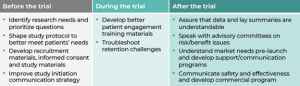
Earlier input of the patient voice benefits both sponsors and individuals living with health conditions. Their voice provides valuable guidance and result in the development of more relevant products that experience less difficulties with trial recruitment and retention and may reduce late-stage failures. Some examples of how the patient voice can impact drug development include:
Patients Want To Be Heard
In a recent survey*, we asked individuals living with health conditions: “How interested are you in sharing about your health experiences with the pharmaceutical company that makes your prescription medications?” 79% of respondents are very or extremely interested in sharing their stories and providing feedback. And more than half of the respondents said they “probably or definitely would participate in almost all of the patient engagement programs the pharmaceutical companies offer.
So How Do You Make This A Reality?
#1: Elevate the patient experience pre-launch to demonstrate disease-state leadership and drive patient-centered support programs and messaging.
#2: Position Your Programs For Success:
- Ensure early patient collaboration to help design the trial and all patient communication.
- Understand the many ways you can gather patient needs and perspectives.
- Recognize that a more educated and empowered healthcare consumer may provide both opportunities and challenges . You may get feedback that you may not be ready to react to.
- Utilize a range of patient perspectives including those who are activated from advisory groups as well as those who may not belong to a formal group.
- Use a personalized approach for each trial and health condition.
- Partner with a marketing or digital strategy team who is fluent in the pharmaceutical industry and on top of changing privacy regulations and consumer communication trends.
#3: Driving education and connection with your desired community is important through the whole launch lifecycle, including the post-launch period.
Knocking down isolating silos and making the patient voice centric to the process is no small task, but the benefits pay off well for our clients. Reverba has helped thousands of brands realize their goals by understanding the value of the patient voice. To learn more, https://bit.ly/42s2Oed
*2023 Reverba Primary Research. Consumer respondents (N=308) were 59% white/41% non-white, primarily millennial (24%), Gen X (36%) and Boomers (36%), representing a variety of health conditions