
Our Products
Engagement Networks: Sustained Communities for Insight and Action
Reverba Global has launched and nurtured over 100 patient experience networks for our clients. We also power Health Stories Project, our proprietary 80,000-member social sharing community that reaches over a million patients each month across 480+ disease states and 325 treatments.
What It Is:
Backed by scalable infrastructure, our patient networks offer vetted, ready-to-engage patients for insight generation, co-creation, multi-audience education, and peer-led support that drives activation and adherence.
Why It Matters:
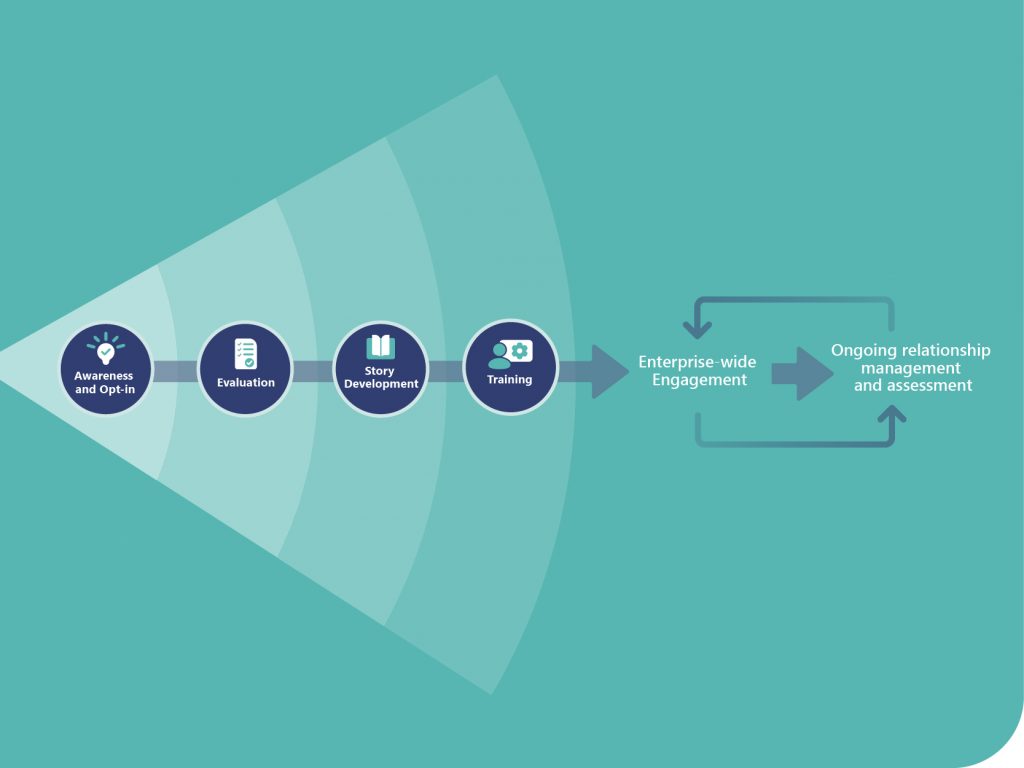
Engaging with patient communities turns lived experience into better decisions, stronger programs, and more meaningful outcomes. We are experts in building long-lasting networks of all sizes, with a compliance infrastructure that enables enterprise-wide engagement.
How It Works:
Reverba Global is home to over 70 active patient communities, with one program running continuously for 23 years.
Our innovative technology platforms let clients tap into the power of these networks. Communication works both ways. Your teams can share essential information with maximum efficiency, while patients can share their own insights and stories to help guide fresh ways forward.
Let’s discuss how to activate an enterprise-wide Engagement Network for your organization.